

While high costs make a loud statement, what’s meaningful makes a soft one. Consider, for a moment, the last time you opened a quirky little gift that made you chuckle or reminded you of some shared past experience. When you select unusual, personal gifts, you are choosing story over status, and it’s the story that sticks.
What Makes a Gift Feel Special?
Is the gift expensive? No, it’s about the fit. A gift feels special when it speaks to something real about the person, an inside joke or a little habit, a favorite color or niche fandom. You see them. You notice their tendencies that others don’t. The way they journal each day at dawn. Their obsession with sea otters.
You are only as specific as your gift. A hand-painted mug shaped like a modest house creates a different experience than a standard tumbler. A small sketchbook you picked in their perfect shade of green is more than just paper; it says, “I know you.” The same goes for crafted decor that also works with their space and mood. When you focus on this matching, even the simplest gift engages their heart more than something pricey and ambiguous.
The Psychology Behind Quirky Presents
Novelty wakes up the brain! There is a light that begins to come on with something little but surprising, which a highly expected routine cannot create. This is part of the reason why fun and odd selections often beat expensive options. Unusual offerings also trigger identity-wrapping: “This is just you,” could be among the happiest sentences you’ll here.
- Originality and enjoyment: Newness brings a rush of feel-good chemicals, which is why a quirky pad of stationery or a small terrarium for their desk can brighten the workday. Read here to learn more.
- Identity validation: A niche enamel pin, or artisan jewelry tells your friend, “I see you seeing yourself this way” which increases your connection to each other.
- Social ripple: Quirky gifts can help initiate easy conversation, sharing the joy beyond just the moment of opening the present.
- Memory adhesive: Unique textures, shapes, and stories help the moments stick—your friend could have a whole shelf of their favorite collectible toys that knit together the possibilities for memories you shared.
How to Find Meaning in Everyday Gifts
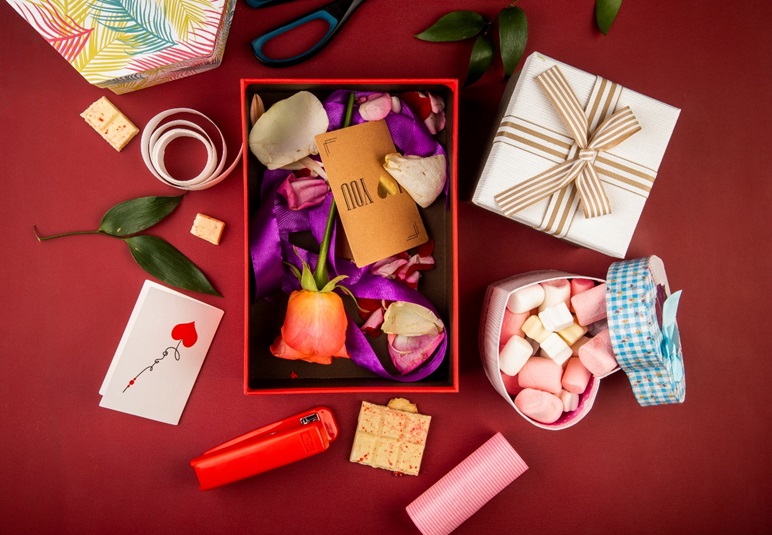
Reflect on the rhythms of their day. When do they pause, smile, or find discomfort? The best choice usually removes a small nuisance or increases a small pleasurable activity. If they write notes or to-do lists in the morning, a sturdy, lay-flat notebook and a fast-drying pen turn a habit into a ritual. If they decorate for the seasons, look for pieces that nod to warmth, woods, jewel tones, or clean neutral designs.
Think about any inside jokes you have. Did you bond over rain and movies? A cloud-shaped lamp says, “Let’s sustain that vibe.” Please pay attention to phrases they may rely on, scents they love, or materials they reach for: linen, matte ceramic, soft leather. Qualitative accessories that are also designed (i.e. a key organizer that is simply modern rather than terribly chipped) can feel equally purposeful as they might be purposeful. Consider small upgrades—the difference between ordinary and thoughtful is frequently just a better clasp, nicer paper stock or a satisfying fit of its lid. When you look at your gifts this way, you will also find the right product in places you may have previously passed by.
Stories That Surprise and Delight
Remember, it’s how a gift made you feel that people remember—and how that feeling came from a story. You don’t require a long story, just a strand of a story. Maybe your friend expressed they wish they had “a pocket constellation” at one time. You find a miniature star-map charm and wrap a card that says: “For those nights we kept each other up.” And suddenly, a little charm became a chapter of your shared story.
Think in scenes—not stuff. Consider them opening a box in which you included a peel of dried orange, and the parcel smells faintly of citrus. The smile a ceramic whale might bring because it is also a ring dish for the jewelry they take off after long, long days. The shared laughter at a notebook where the pages are dotted—inside—with dots instead of lines—how they might tell you they really like to “sketch.” Even small-to-modest finds can play like a plot twist when the story is particular to the gift recipient. I would think design-led accessories that are tuned to their routine are plot twists.
The Lasting Joy of Thoughtful Gifting
The initial thrill will wear off, but meaning will last longer than first impressions. Research shows that giving and receiving gifts activates the same reward pathways in the brain that are tied to happiness and connection.
Visit https://news.arizona.edu/news/understanding-brain-science-behind-giving-and-receiving-gifts for more details.
If you intend for your gift to continue giving after the “unwrapping,” consider how the gift will be used, displayed, or recounted.
- Share a note that speaks about your thinking for the gift – a few sentences to attach the gift to a memory or an intention or an inside joke.
- Share the packaging as part of a gift experience: reusable fabric wrapping, a map from a trip taken together, or a page from your favorite poem.
- Share a “now go use me” nudge, gifting them a tea infuser with a tin of their favorite blend or merging a sketchbook with two pencils to then draw together.
- Invite that they share an experience during a future moment: remember to share an enamel pin every month or come over to build a tiny shelf for their little treasures!
In the end, you are not providing them status, you are providing them curated experiences. The thoughtful gift will turn something mundane into something special; skills will encourage play back into a busy week, and meaningful moments with loved ones will express what words can’t quite capture. If you choose your gift carefully, a small surprise will morph into an experience that echoes for months, long after the original costs are forgotten because what you gave was your attention, their memory and a little unexpected wonder.

Comments are closed.